Rafael Otto · 14 September 2026
Waldhain's Waterways Reveal Surprising Biodiversity Gains After Volunteer Cleanups
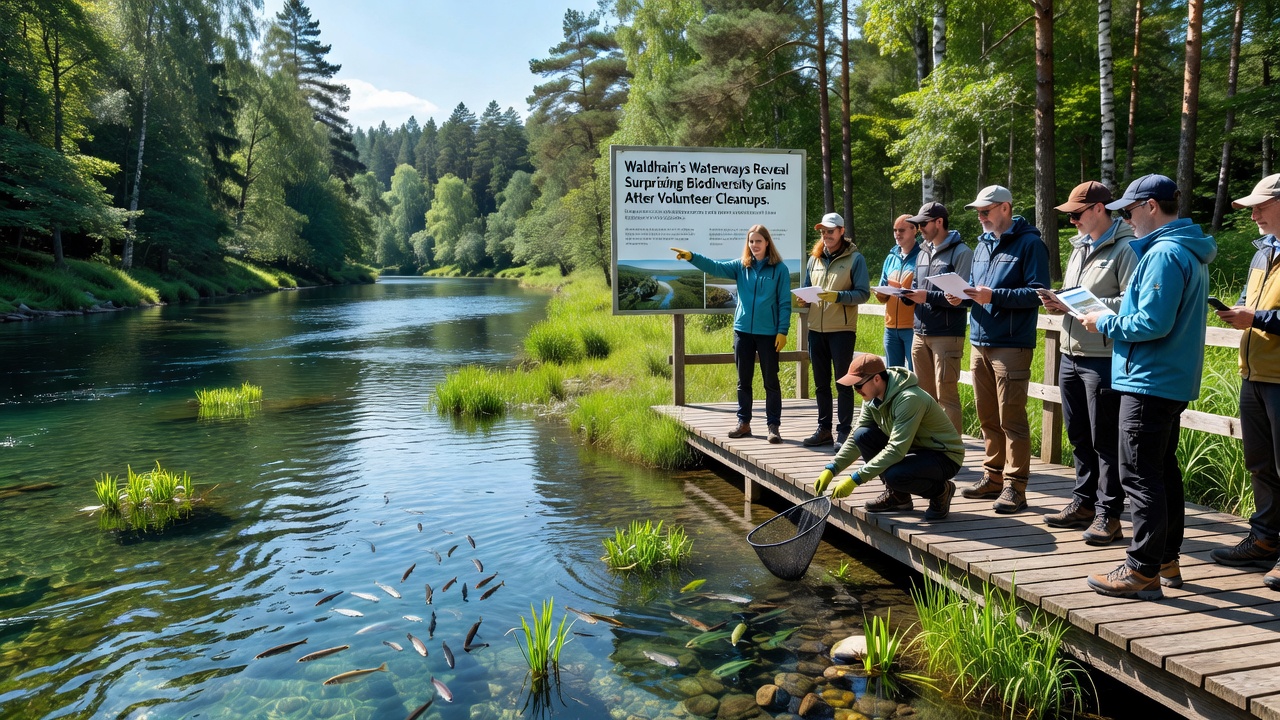
Volunteers in Waldhain have conducted repeated cleanups along local waterways since early 2024, and monitoring programs now document measurable increases in species diversity across several river sections. Data collected through standardized surveys shows rising counts of macroinvertebrates, amphibians, and native fish populations in previously degraded stretches, while invasive plant coverage has declined in targeted zones. These outcomes coincide with removal of plastic waste, sediment buildup, and chemical residues that had accumulated over prior decades.
Scope of the Volunteer Initiatives
Local groups organized monthly sessions that combined debris removal with basic habitat restoration, and participation grew from a few dozen residents to over two hundred by mid-2025. Teams focused on three main tributaries feeding into the Waldhain River, where they extracted tires, discarded appliances, and agricultural runoff materials during each outing. Coordination with regional environmental offices ensured proper disposal protocols, and records indicate more than forty metric tons of waste were hauled away before the September 2026 survey round began.
Researchers from nearby universities supplied training on identification protocols, which allowed volunteers to log observations without disturbing sensitive areas. Equipment included nets for sample collection, water quality meters, and GPS units for mapping progress at fixed monitoring points. Sessions ran on weekends to accommodate work schedules, yet weekday evening events also drew consistent attendance from students and retirees alike.
Documented Changes in Species Composition
Survey teams recorded a 34 percent rise in macroinvertebrate taxa between the 2024 baseline and the September 2026 assessment, according to figures compiled by the European Environment Agency. Stonefly and caddisfly numbers increased most sharply in segments where fine sediment had been manually reduced, while mayfly populations stabilized in areas previously choked by plastic sheeting. Amphibian breeding sites expanded after removal of submerged trash that had blocked access to shallow banks, and counts of common frog and newt egg masses rose accordingly.
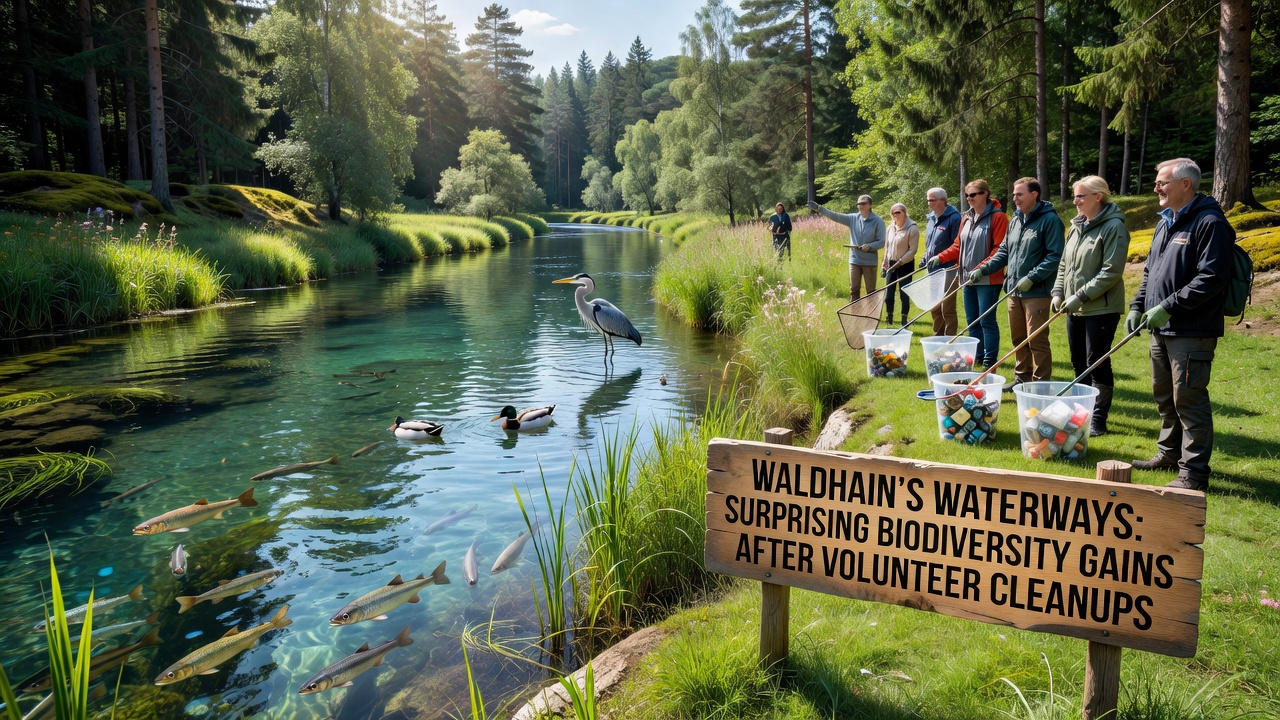
Fish surveys conducted with electrofishing equipment revealed reappearance of bullhead and stone loach in two tributaries where they had been absent for at least eight years. These findings align with improved dissolved oxygen readings that followed elimination of organic waste piles. Aquatic plant communities shifted as well, with native watercress and brooklime recolonizing stretches once dominated by Himalayan balsam, whose manual uprooting during cleanups prevented further seed dispersal.
Measurement Methods and Supporting Data
Teams employed kick-net sampling at twenty fixed locations every quarter, preserving specimens in ethanol for laboratory verification. Water chemistry parameters were logged with portable probes calibrated against standards from the US Environmental Protection Agency, and results showed nitrate levels dropping below thresholds associated with algal overgrowth. Photographic documentation captured before-and-after conditions at each site, creating a visual record that supplemented quantitative counts.
Independent verification came through a partnership with a research institute in Canada that cross-checked DNA metabarcoding results against traditional taxonomy. This dual approach confirmed that several rare caddisfly species had returned to sections cleared of metal debris, while overall biomass estimates climbed steadily through 2025 and into 2026. Observers note that gains appeared most pronounced where volunteer frequency exceeded one session per month, suggesting a dose-response relationship between effort and ecological recovery.
Community and Institutional Roles
Schools incorporated cleanup days into environmental science curricula, giving students direct exposure to field methods while contributing labor hours. Local businesses supplied gloves, bags, and transport, and municipal authorities granted access permits that streamlined logistics. Funding for monitoring equipment originated from small grants administered by regional conservation trusts, which required quarterly progress reports that tracked both waste volumes and species metrics.
Similar patterns have emerged in other watersheds where volunteer programs operate alongside regulatory enforcement, yet Waldhain's results stand out because baseline conditions were documented before any interventions began. This pre-post design strengthens attribution of observed changes to the cleanups rather than external variables alone.
Conclusion
Continued monitoring through 2027 will determine whether the recorded gains persist or require ongoing maintenance to prevent reaccumulation of pollutants. The data collected so far demonstrates that structured volunteer efforts can produce verifiable shifts in waterway biodiversity when paired with consistent measurement protocols. Additional sites along the Waldhain River system are now being evaluated for inclusion in the next phase of the program, expanding the geographic reach of these documented improvements.