Rafael Otto · 26 October 2026
Waldhain Chapel's 19th-Century Bells Get Digital Upgrade for Community Events
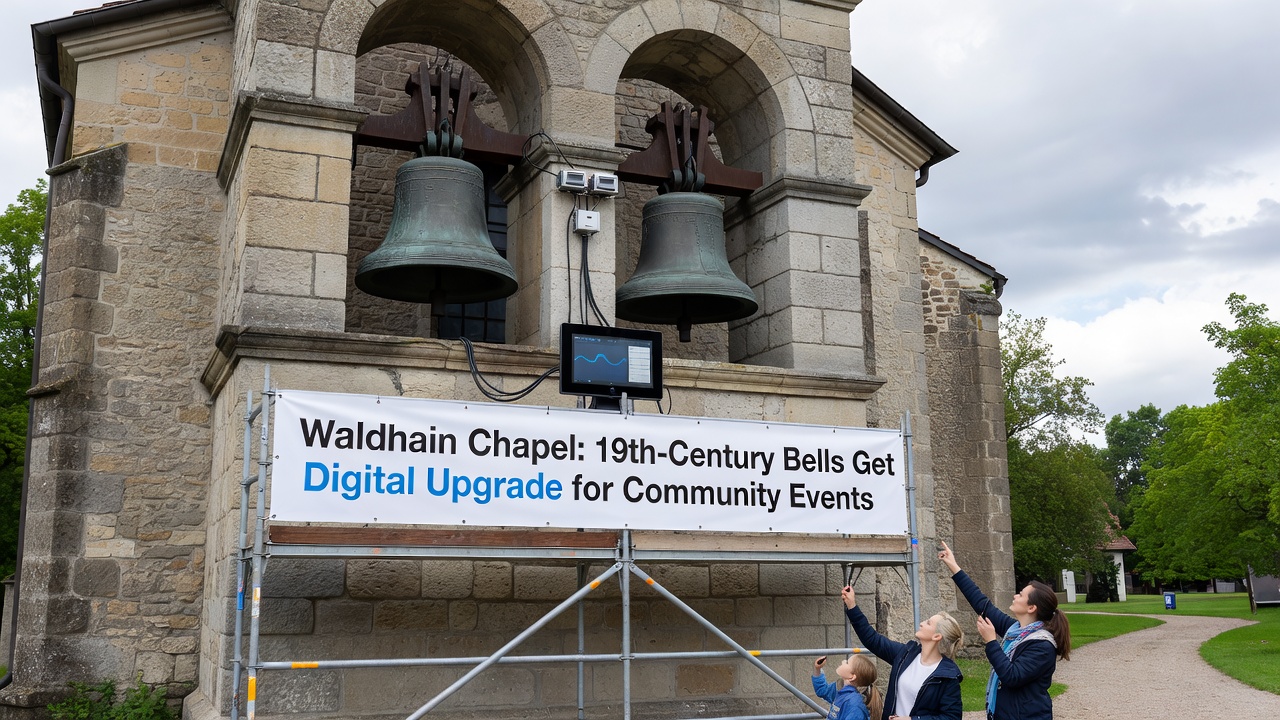
The bells at Waldhain Chapel date back to the mid-1800s and have rung for generations during local gatherings, yet recent work has introduced electronic controls that allow precise timing and integration with modern event systems, according to project records from the chapel's preservation committee.
Installation crews completed the core hardware phase in late 2025, which involved mounting sensors on the original cast-iron frames while preserving the bronze bells themselves, and this setup connects to a central digital interface that schedules chimes without manual intervention from the tower.
Historical Context of the Chapel Bells
Foundry marks on the largest bell trace its casting to 1854 in a regional workshop near the Black Forest, where artisans used traditional sand-mold techniques that produced the characteristic overtones still audible today, while smaller companion bells followed in 1862 and 1871 to complete the set for daily calls and festival announcements.
Church ledgers from the period document routine maintenance every decade, including rope replacements and clapper adjustments, yet those same records show no prior attempts at automation until the current initiative began drawing on engineering assessments conducted in 2023.
Technical Details of the Digital System
The upgrade incorporates microcontrollers that trigger solenoid actuators attached to the existing striking mechanisms, allowing the bells to respond to programmed sequences stored on a secure local server, and this arrangement supports variable volume settings through partial strikes that reduce mechanical stress on the historic metal.
Power supply relies on a dedicated solar array mounted on the chapel roof, which feeds into battery storage rated for extended operation during low-light months, while backup generators activate automatically if grid connections fail during community functions.
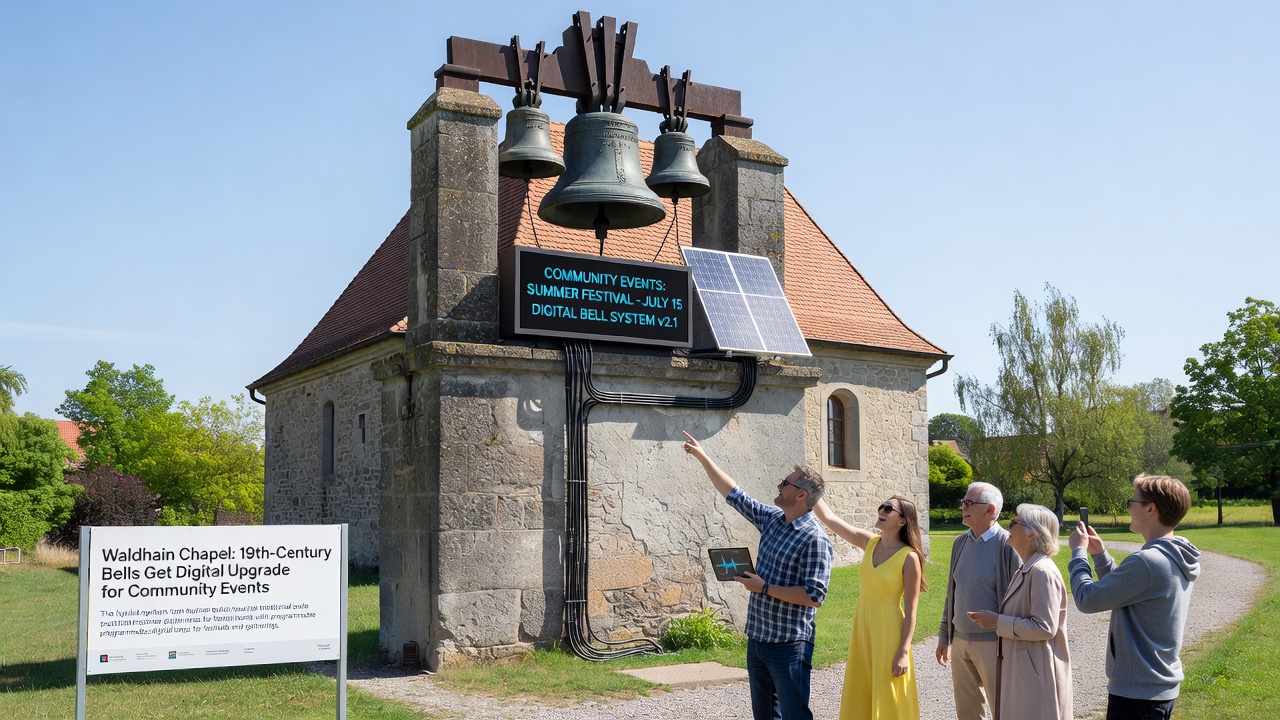
Data logs from the first test runs indicate response times under 200 milliseconds from command to strike, matching performance benchmarks reported in similar heritage projects tracked by the International Council on Monuments and Sites, and observers note that the system logs each activation for maintenance scheduling.
Integration with Community Events
Event organizers in Waldhain now coordinate bell sequences through a web-based dashboard that syncs with lighting and sound equipment in the chapel grounds, enabling coordinated displays during seasonal markets and memorial services planned for October 2026 onward.
Local records show that harvest festivals and winter solstice gatherings have used the bells for centuries to mark start times, but the new interface permits pre-set patterns that align with live music or spoken programs without requiring additional personnel in the tower.
Similar digital adaptations appear in preservation efforts across Europe and North America, where groups have linked historic carillons to event software while maintaining original acoustics, according to documentation from the Australian National University heritage research program.
Preservation Measures and Monitoring
Engineers applied non-invasive coatings to protect the original bell metal from vibration changes introduced by the actuators, and vibration sensors feed real-time readings into an analysis program that flags deviations from established resonance patterns recorded before the upgrade.
Annual inspections by certified conservators remain mandatory under the chapel's heritage designation, with the digital logs providing supplementary data that streamlines those reviews rather than replacing them.
Future Applications and Regional Comparisons
Community planning documents list additional uses for the system during educational tours and youth programs that demonstrate both historical bell founding methods and contemporary control technology, with sessions scheduled to begin after the October 2026 rollout.
Parallel installations in other German forest communities have shown reduced labor costs for event coordination while extending the operational life of aging bells through controlled striking forces, figures that align with industry reports from Canadian heritage agencies tracking comparable sites.
Conclusion
The digital upgrade at Waldhain Chapel combines 19th-century craftsmanship with current control systems to support ongoing community activities, and project documentation confirms that all modifications respect the original structures while adding scheduling capabilities for events through 2026 and beyond.